Elektronikus matrica

What’s New on Hungarian Motorways in 2026

Hungary continues expanding its motorway network in 2026, but much more attention than new kilometers is being focused on increasing traffic around Budapest and changes in the motorway vignette system. At the same time, the country is trying to strengthen connections toward Romania, Serbia, and Croatia, as international transport is becoming increasingly important for Hungarian motorways.
For drivers, Hungary is specific mainly because traffic on its motorways is usually very smooth, but once complications occur, problems can quickly spread across a large part of the network.

Budapest and the M0 Ring Road Remain the Biggest Problem

The greatest pressure in 2026 is still on the M0 ring road around Budapest. This is where most of the country’s main routes converge, and traffic density has been growing faster than the capacity of some sections for years.

Modernization and expansion continue in several areas, which means:

Frequent slowdowns

Traffic jams during peak hours

Restrictions during repairs

The main issue is that Budapest is used not only by local traffic, but also by a large number of vehicles heading further toward the Balkans or Romania.

M44 Motorway: Further Progress in the Southeast of the Country

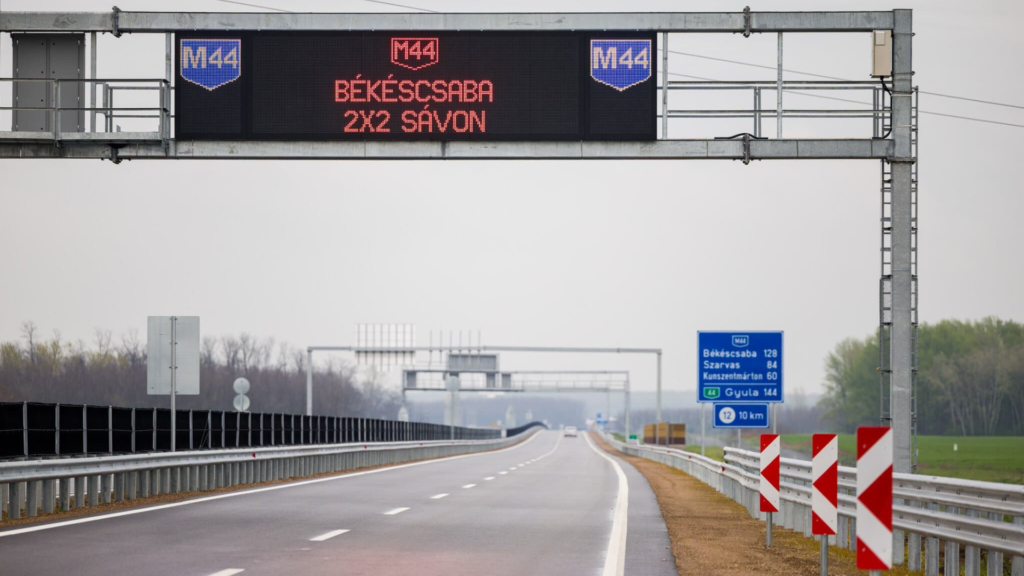
One of the most significant projects of 2026 is the continued expansion of the M44 motorway, which improves connections between central Hungary and the southeastern part of the country.

New sections are gradually relieving smaller towns that previously handled major traffic flows, while also speeding up travel toward the Romanian border.

The development of connections toward Romania has become one of the country’s priorities in recent years, as traffic between the two countries is growing significantly.

More Cameras and Automatic Controls

In 2026, Hungary continues expanding its system of automatic motorway controls. New cameras are being added, focusing not only on motorway vignette checks, but also on:

  • Speed
  • Lane usage
  • Safety violations


Drivers are therefore increasingly noticing variable signs and control gates above the roadway. Most checks are automated, and fines are processed electronically.

Towards Croatia: Summer Traffic Is Increasing Again

Hungarian motorways traditionally experience the heaviest traffic during summer, when tens of thousands of vehicles travel through the country toward the Adriatic coast.

The most congested areas are usually:

The M7 motorway toward Croatia

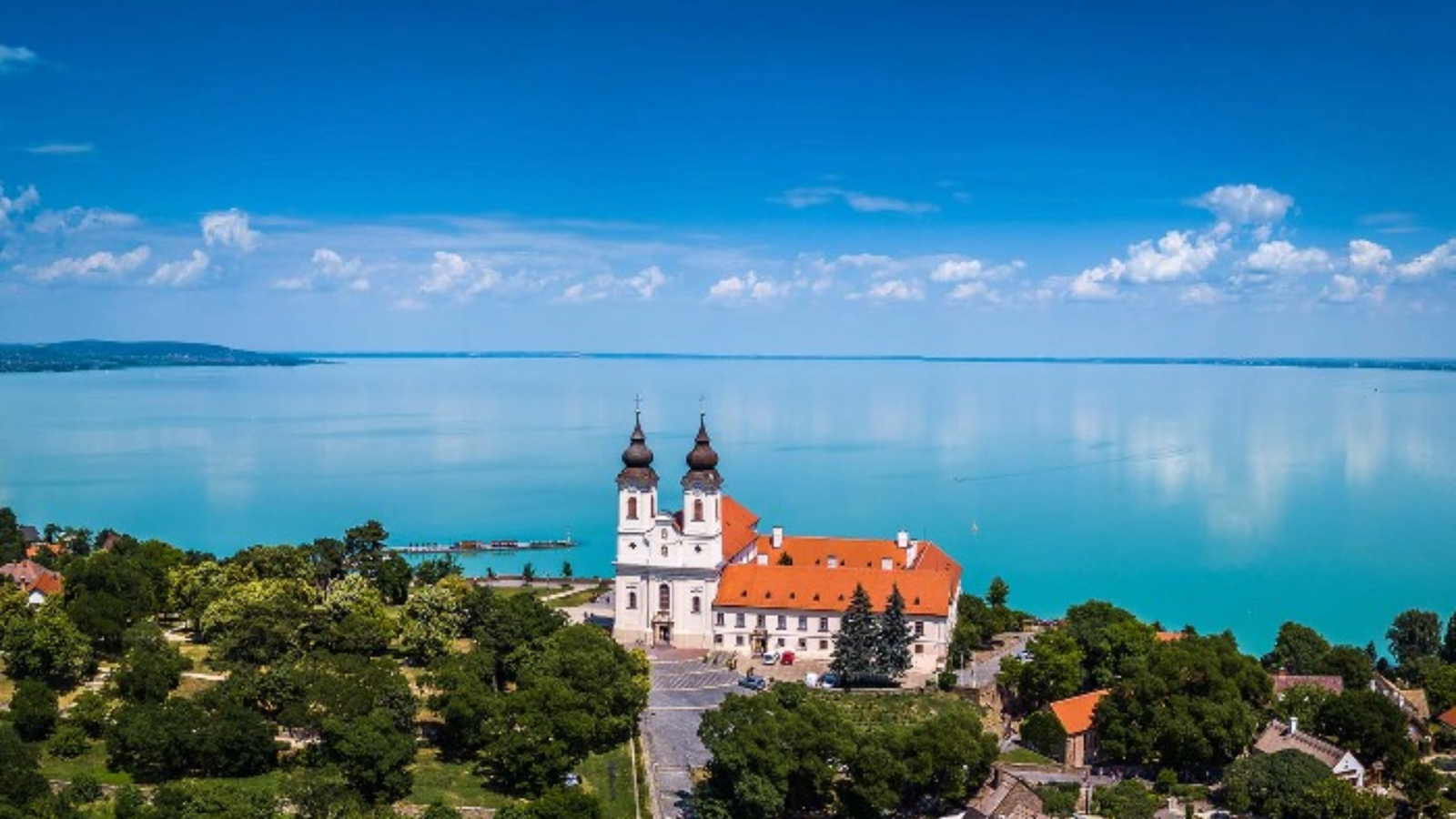
The area around Lake Balaton

Sections around Budapest

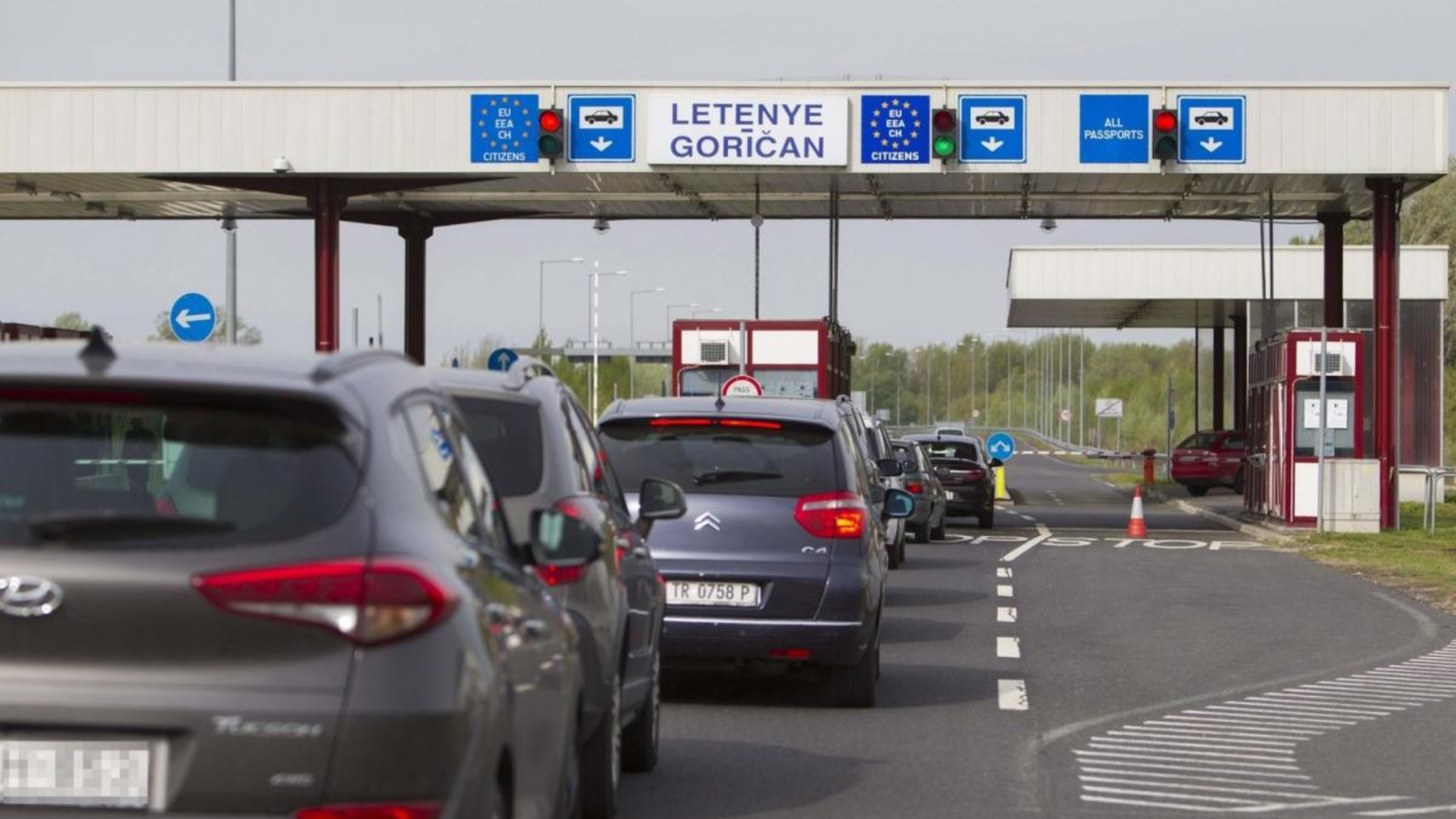
Weekend traffic jams during the holiday season are very common, and during peak periods traffic slows down significantly dozens of kilometers before the border.

Road Conditions Are Improving, but Repairs Are Increasing

Hungary’s motorway network is among the better-quality systems in the region, but in 2026 a larger number of reconstructions of older sections continues.

Drivers therefore more often encounter:

  • Temporary lane narrowings
  • Speed restrictions
  • Traffic shifted into a single lane

These modernizations are intended to improve infrastructure in the long term, but in the short term they slow down traffic, especially on busy routes.

Charging Infrastructure Is Growing Faster Than Before

In 2026, Hungary is significantly expanding its network of fast-charging stations along major motorways. This is especially visible on routes around Budapest and toward Austria or Croatia.

For electric vehicle drivers, this is an important change, because just a few years ago the situation outside the capital was significantly worse.


What’s New on Hungarian Motorways in 2026

Hungary continues expanding its motorway network in 2026, but much more attention than new kilometers is being focused on increasing traffic around Budapest and changes in the motorway vignette system. At the same time, the country is trying to strengthen connections toward Romania, Serbia, and Croatia, as international transport is becoming increasingly important for Hungarian motorways.
For drivers, Hungary is specific mainly because traffic on its motorways is usually very smooth, but once complications occur, problems can quickly spread across a large part of the network.

Budapest and the M0 Ring Road Remain the Biggest Problem

The greatest pressure in 2026 is still on the M0 ring road around Budapest. This is where most of the country’s main routes converge, and traffic density has been growing faster than the capacity of some sections for years.

Modernization and expansion continue in several areas, which means:

Frequent slowdowns

Traffic jams during peak hours

Restrictions during repairs

The main issue is that Budapest is used not only by local traffic, but also by a large number of vehicles heading further toward the Balkans or Romania.

M44 Motorway: Further Progress in the Southeast of the Country

One of the most significant projects of 2026 is the continued expansion of the M44 motorway, which improves connections between central Hungary and the southeastern part of the country.

New sections are gradually relieving smaller towns that previously handled major traffic flows, while also speeding up travel toward the Romanian border.

The development of connections toward Romania has become one of the country’s priorities in recent years, as traffic between the two countries is growing significantly.

More Cameras and Automatic Controls

In 2026, Hungary continues expanding its system of automatic motorway controls. New cameras are being added, focusing not only on motorway vignette checks, but also on:

  • Speed
  • Lane usage
  • Safety violations


Drivers are therefore increasingly noticing variable signs and control gates above the roadway. Most checks are automated, and fines are processed electronically.

Towards Croatia: Summer Traffic Is Increasing Again

Hungarian motorways traditionally experience the heaviest traffic during summer, when tens of thousands of vehicles travel through the country toward the Adriatic coast.

The most congested areas are usually:

The M7 motorway toward Croatia

The area around Lake Balaton

Sections around Budapest

Weekend traffic jams during the holiday season are very common, and during peak periods traffic slows down significantly dozens of kilometers before the border.

Road Conditions Are Improving, but Repairs Are Increasing

Hungary’s motorway network is among the better-quality systems in the region, but in 2026 a larger number of reconstructions of older sections continues.

Drivers therefore more often encounter:

  • Temporary lane narrowings
  • Speed restrictions
  • Traffic shifted into a single lane

These modernizations are intended to improve infrastructure in the long term, but in the short term they slow down traffic, especially on busy routes.

Charging Infrastructure Is Growing Faster Than Before

In 2026, Hungary is significantly expanding its network of fast-charging stations along major motorways. This is especially visible on routes around Budapest and toward Austria or Croatia.

For electric vehicle drivers, this is an important change, because just a few years ago the situation outside the capital was significantly worse.